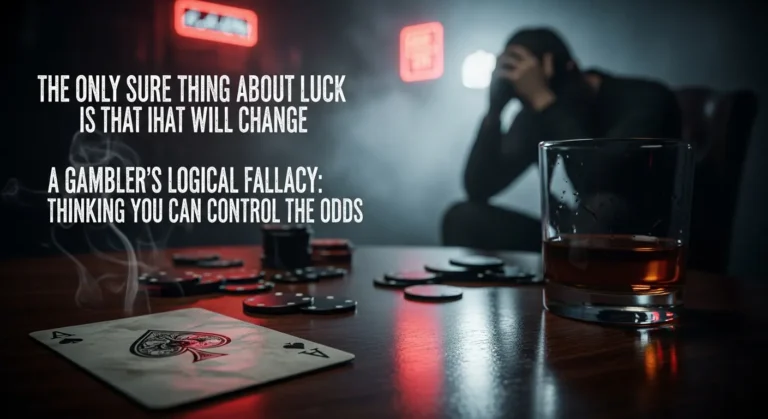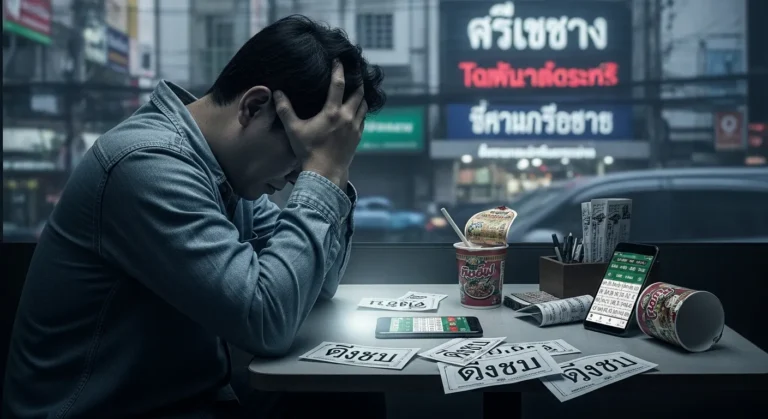



We’ve all heard the saying, “When the going gets tough, the tough get going.” But what about when the going gets really tough, like when we try to kick a gambling habit? It can feel like trying to climb Mount Everest wearing flip-flops. In this text, we’ll explore the withdrawal symptoms associated with gambling addiction, because understanding what’s going on can help us navigate this rocky terrain more effectively. Grab your best coping strategies, and let’s immerse.
Gambling Addiction Withdrawal Symptoms
Gambling addiction isn’t just about losing money. It’s a complex issue that affects our emotions, relationships, and overall well-being. If we think of gambling as an alluring mirage, the addiction often develops when we believe we can beat the odds or recapture past wins.
Feeling the thrill and excitement can quickly morph into a deep-seated compulsion. We might tend to ignore the warning signs until they become impossible to dismiss. In essence, gambling addiction hijacks our brain’s reward system, making it challenging to say no, even when we know we should.
Common Withdrawal Symptoms
When we finally decide to break free, withdrawal symptoms can hit us harder than a metaphorical freight train. Here’s what we might experience:
Emotional Symptoms of Withdrawal
Say goodbye to the euphoric highs because withdrawal kicks us into a whirlwind of emotional turbulence. We might encounter feelings of irritability, anxiety, or even depression. One moment, we’re on top of the world: the next, we’re in a deep slump. The emotional rollercoaster is enough to make anyone dizzy.
Physical Symptoms of Withdrawal
Our bodies don’t take this lightly either. We could experience headaches, fatigue, stomach issues, or even changes in appetite. It’s as if our body is staging a protest, letting us know just how much it relied on the gambling spikes to keep things balanced.
Cognitive Symptoms of Withdrawal
Meanwhile, our brains can feel like a slow-loading website. Memory issues, difficulty concentrating, and racing thoughts may surface. It’s not just hard to focus: it’s downright maddening. We might find ourselves seeking distractions, longing for the ease that gambling once provided in our lives.
Strategies for Managing Withdrawal Symptoms
So, what can we do to manage these symptoms effectively? A survival kit can help us navigate this challenging period:
- Establish a Routine: Setting up a daily routine can provide structure when everything feels chaotic. It helps us fill our time constructively while offering a sense of normalcy.
- Connect with Supportive People: We’re not in this alone. Reaching out to friends, family, or support groups can ease the burden. Sharing experiences can provide much-needed perspective and encouragement.
- Stay Active: Physical activity releases endorphins, our natural mood elevators. Whether it’s a brisk walk or a dance party in our living rooms, movement can work wonders.
- Practice Mindfulness or Meditation: Techniques such as mindfulness can help us manage anxiety and emotional swings. Taking a few deep breaths can make a world of difference.
- Engage in New Hobbies: Diving into new interests can serve as a distraction and present us with fulfilling activities that don’t come with a price tag.
Seeking Professional Help
If we feel overwhelmed, seeking professional help is a valid and courageous step. Therapists or counselors specializing in gambling addiction can provide tailored strategies and support. There’s absolutely no shame in leaning on professionals to aid our recovery journey. Treatment options like cognitive-behavioral therapy (CBT) can significantly alter the way we think about gambling and develop healthier coping mechanisms.