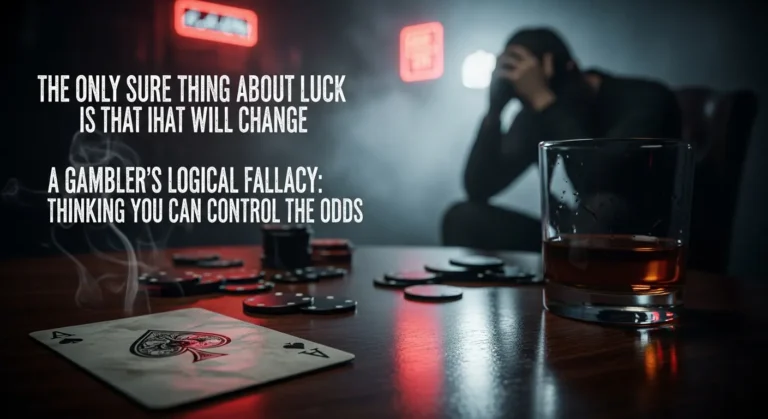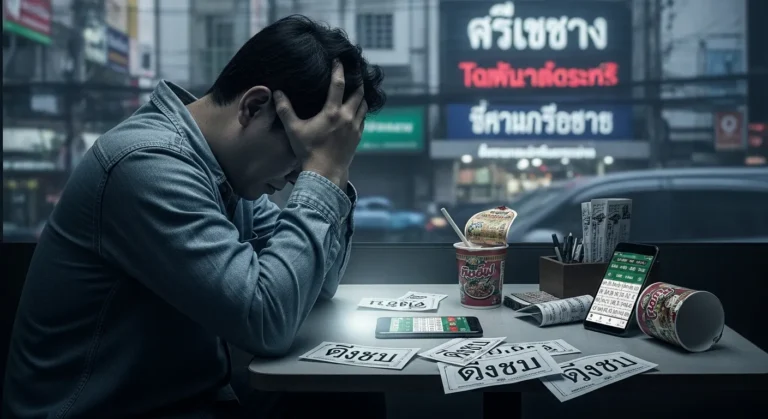



Gambling addiction can sneak up on anyone. One moment we’re playing our favorite game thinking, “Just one more round,” and the next, we’re questioning our financial stability and personal relationships. But don’t worry. The journey to recovery doesn’t have to feel overwhelming. In fact, it can be enlightening. With the right resources, we can reclaim our lives, and what better way to start than with some compelling books? In this text, we’ll explore some incredible reads on gambling addiction that can help us understand the issue better and support one another on this journey. Not to mention, we’re throwing in some laughs along the way, after all, who said self-help can’t be fun? Let’s immerse.
Books On Gambling Addiction
Gambling addiction is more complex than just chasing thrills. It’s important for us to recognize that this addiction often goes hand in hand with mental health challenges like anxiety and depression. When we think of gambling, we might envision glamorous casinos or even a casual game night with friends. But, for many, what starts as harmless fun can spiral into a compulsive behavior that takes over lives.
Understanding the psychology behind gambling addiction is crucial. Our brains release dopamine when we win, creating a high that we want to replicate. This feeling can become addictive. For us, it can help to comprehend why some individuals might risk everything for that rush. This insight can not only aid us in our journey but also equip us to help others who might be struggling.
The Impact of Gambling Addiction
The effects of gambling addiction can be devastating. It impacts not only the individual but also their loved ones, co-workers, and friends. Financial ruin can lead to a downward spiral, affecting mental and emotional well-being. We often hear stories of families torn apart by gambling debts. In these cases, it’s not just about losing money but losing trust and relationships as well.
Emotionally, we might witness increased stress, anxiety, and even guilt in those struggling with this addiction. The realization that we’ve harmed ourselves and those around us can lead to a sense of isolation. Connecting with others experiencing similar situations helps us understand that we’re not alone, and it’s possible to rebuild.
Recommended Books for Gamblers and Loved Ones
For those of us seeking guidance, the right books on gambling addiction can be game-changers. Here are some notable recommendations:
Self-Help Resources and Strategies
- “The Gambler’s Guide to Hard Times” by Andrew R. Dempsey – This book offers practical strategies and a toolbox of methods for overcoming addiction. It emphasizes actionable steps and provides insights into the gambling mindset.
- “Stop Gambling Now” by Dr. John H. DeLeon – A great resource on understanding triggers and creating a solid recovery plan. This book resonates with us as it breaks down steps into manageable chunks.
Professional Intervention and Treatment Literature
- “Mind Over Money: Overcoming the Addiction to Debt” by A. S. Harlowe – A unique angle focusing on not just gambling but also the financial implications it brings. It encourages us to reflect on our relationship with money while discussing gambling addiction.
- “Recovery: A Guide for Adult Children of Alcoholics” by M. E. Spradlin – Although this book isn’t exclusively about gambling, it addresses addiction’s relational effects. It gives perspective on how to deal with loved ones undergoing these challenges, making it a valuable read for family members.
The Importance of Community Support
We can’t stress enough how vital community support is in overcoming gambling addiction. Joining support groups like Gamblers Anonymous or engaging in therapy can make a world of difference. Knowing we aren’t alone in this struggle creates a safety net, one where we can share experiences, rebuild trust, and find encouragement.
In our recovery, forming connections with others helps us navigate feelings of shame or isolation. It’s empowering to learn from someone else’s success story or even share our setbacks. Together, we nurture a space where healing becomes the goal, and it’s comforting to discuss victories, big or small.